
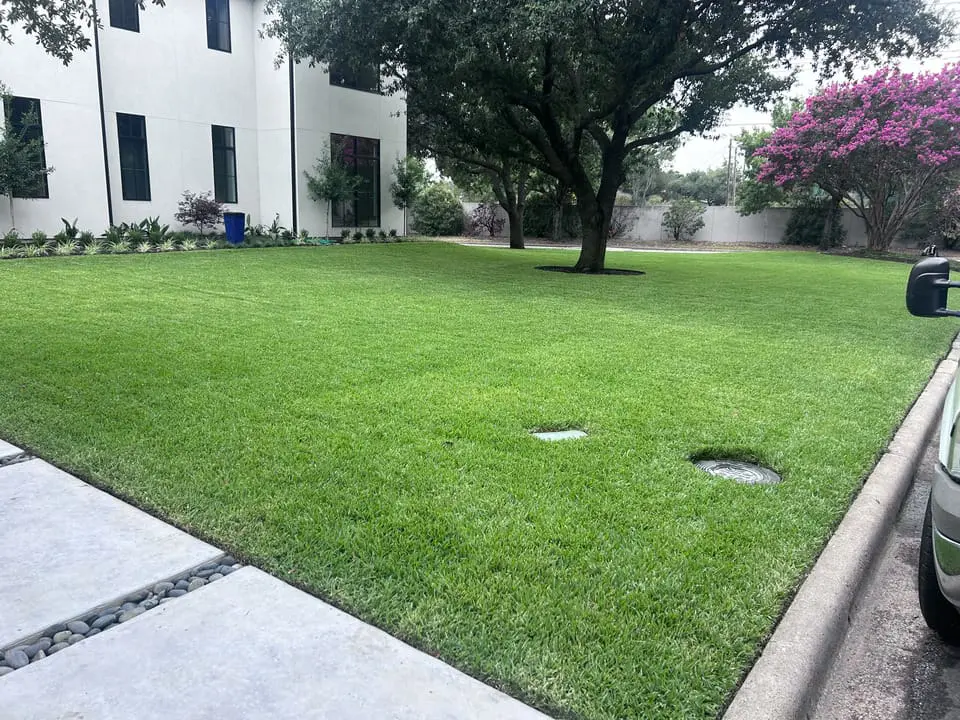
The calendar says early November, and for North Texas homeowners, that means your window for essential lawn and landscape protection is rapidly closing. While the weather might still feel mild throughout Highland Park, Flower Mound, and surrounding communities, the biological clock of your lawn is ticking toward dormancy. The tasks you complete in the next few weeks will determine whether your property emerges vibrant and healthy next spring or struggles with patchy growth and costly repairs.
This isn't about perfection. It's about protection. The difference between properties that bounce back beautifully and those that require intensive spring intervention often comes down to a handful of strategic tasks completed before temperatures drop. If you want to prepare your lawn for winter Dallas TX properly, this is your moment to act.
Why November Matters More Than You Think
Dallas area lawns face unique challenges that homeowners in northern climates don't encounter. Our extended fall season can create a false sense of security. Bermuda and St. Augustine grasses continue looking relatively green even as they're beginning their transition to dormancy. Underground, however, significant changes are happening. Root systems are storing energy reserves and fortifying themselves against temperature fluctuations ahead.
This transition period offers a narrow window when your lawn can still absorb and utilize nutrients effectively. Miss this window, and you're asking your grass to enter winter unprepared. The result shows up as slow spring green-up, increased vulnerability to disease, and thin spots that invite weed invasion.
The Last Call for Fall Fertilization
Understanding when to fertilize makes the difference between supporting your lawn and inadvertently weakening it. The timing and formulation of your final application directly impacts spring performance.
- Apply winterizer fertilization to Bermuda grass by early November at the latest while the grass is still actively growing
- Choose formulations with higher potassium content to strengthen cell walls and improve cold tolerance
- Look for products containing phosphorus to support root development during dormancy
- Avoid applying too late, as you don't want to stimulate tender new growth vulnerable to frost damage
St. Augustine lawns ideally receive their last fertilization in October, so if you're reading this in early November, focus your efforts on other protective tasks. Professional fertilization and weed control services ensure proper coverage and appropriate nutrient ratios for your specific grass type and soil conditions.

Rethinking Seeding and Sodding in Fall
Many homeowners assume fall is the ideal time for new grass installation. For North Texas, understanding what works and what doesn't saves considerable money and frustration.
- Avoid installing warm season sod or seed in November, as cooling soil prevents proper establishment
- Skip Bermuda or St. Augustine installations until late spring when soil temperatures reach 65 degrees consistently
- Consider overseeding with annual ryegrass for winter color that thrives in cool weather
- Plan for ryegrass to naturally die back in spring as your permanent lawn returns to active growth
This strategic approach gives you the best results for both temporary winter color and long-term lawn health. For guidance on proper timing and techniques, check out our complete fall cleanup and lawn prep guide.
Protecting Your Landscape Beds Before the First Freeze
Your landscape beds need just as much attention as your turf to prepare your lawn for winter Dallas TX comprehensively. Fresh mulch provides multiple layers of protection that carry plants through temperature swings and dry periods ahead.
- Remove all accumulated leaves, spent annuals, and declining perennial foliage from beds before mulching
- Apply 2 to 3 inches of quality aged hardwood mulch around shrubs, trees, and perennials
- Pull mulch back slightly from plant stems and tree trunks to prevent moisture-related disease problems
- Cut back spent perennials to ground level but leave ornamental grasses standing through winter
- Remove any diseased plant material completely rather than letting it overwinter and reinfect next season
Quality mulch insulates roots, retains moisture, and suppresses weeds while breaking down slowly to feed soil organisms through winter months. Professional mulching services ensure proper depth and coverage for optimal plant protection.
The Non-Negotiable Task of Irrigation Winterization
No other fall maintenance task carries higher financial stakes than properly winterizing your irrigation system. North Texas experiences enough hard freezes to cause catastrophic damage to unprotected systems. When water freezes inside pipes, valves, and backflow preventers, it expands with enough force to crack metal and PVC components. The resulting repairs can cost thousands of dollars and leave you without irrigation when you need it most next spring.
Professional winterization uses compressed air to blow out every drop of water from your system. This isn't a DIY project with a shop compressor. The process requires specific PSI levels that clear water without damaging sensitive sprinkler components. Backflow preventers, typically installed above ground, are especially vulnerable and need careful attention. Expert irrigation services include thorough system inspection and proper winterization techniques. Schedule this service before the first hard freeze warning, which typically arrives sometime between mid-November and early December in the Dallas area.

Adjusting Water as Growth Slows
As you prepare your lawn for winter Dallas TX, dramatically reducing irrigation prevents problems while conserving resources. Cooler temperatures create very different moisture requirements than summer months.
- Water established lawns deeply every two to three weeks during dry spells only
- Monitor weather forecasts and skip scheduled irrigation before rain events
- Stop supplemental watering completely once temperatures consistently stay below 60 degrees
- Rely on natural rainfall to handle your lawn's minimal moisture requirements after irrigation winterization
Overwatering dormant or semi-dormant grass encourages fungal diseases and wastes water your lawn doesn't actually need. For year-round irrigation best practices, review our spring irrigation checklist to understand complete system care.
Getting Your Final Mow Right
The last mow of the season deserves more thought than routine summer cuts. Proper technique protects grass crowns and root systems through winter stress.
- Continue mowing as long as your grass shows active growth, typically through November in North Texas
- Maintain Bermuda grass at your normal cutting height of 1 to 1.5 inches through the final mow
- Keep St. Augustine at 2.5 to 3 inches for adequate crown protection
- Avoid scalping your lawn before winter despite outdated advice suggesting otherwise
- Stop mowing completely once growth stops, as cutting dormant grass accomplishes nothing
Appropriate blade length provides essential insulation while preventing weed establishment during winter months. Professional lawn maintenance services ensure proper mowing heights and timing throughout the season.
Why Fresh Mulch Pays Spring Dividends
Beyond immediate protective benefits, November mulching creates conditions for exceptional spring performance. As mulch gradually decomposes through winter, it feeds beneficial microorganisms and slowly releases nutrients. The insulation effect prevents freeze-thaw cycles that heave plants from the soil and damage shallow feeder roots. This foundation work happens invisibly beneath the surface while your landscape appears dormant.
Mulch quality significantly impacts results. Aged, shredded hardwood mulch breaks down at the right pace and improves soil structure. Fresh wood chips or bark temporarily tie up nitrogen as they decompose, actually harming plants rather than helping them. The investment in premium mulch pays dividends in plant health and reduced spring maintenance needs.
Your Essential November Checklist
Focus your final fall efforts on tasks that provide maximum protection. These coordinated actions work together to safeguard your landscape investment.
- Complete final fertilization for Bermuda lawns before mid-November
- Schedule professional irrigation winterization before freeze warnings begin
- Apply 2 to 3 inches of quality mulch to all landscape beds
- Remove leaves and dead plant material from beds and lawns
- Reduce watering frequency dramatically or stop supplemental irrigation completely
- Continue mowing until growth stops, then clean and store equipment
- Inspect trees and shrubs for damage and address structural concerns before winter weather arrives
This concentrated effort eliminates the panic that happens when temperatures suddenly plunge and options become limited.
The properties that look spectacular next April are the ones receiving attention right now in November. Your lawn and beds are storing energy and fortifying themselves for months of stress ahead. Supporting these natural processes takes just a few focused hours but delivers benefits that last through the entire next growing season.
Get Your Lawn Winter-Ready Before It's Too Late
For homeowners throughout Coppell, Highland Park, and the greater Dallas area seeking expert fall preparation, Beautiful Exteriors has refined the specific techniques that work for North Texas landscapes over more than a decade of service. Our team understands the unique challenges of preparing Dallas area properties for winter and delivers comprehensive solutions that protect your investment. Learn more about our approach to landscape care. Call 469-945-7742 to schedule your comprehensive fall preparation while optimal conditions remain.